For information on purchasing a DNA test, see Purchasing an AncestryDNA Kit. To check on the status of your test, see AncestryDNA Kit Status. Click here to view your DNA results. To download raw DNA data, see Downloading DNA Data.
There are three main types of DNA tests on the market: Y-chromosome (or Y-DNA), mitochondrial (or mtDNA), and autosomal. Each test produces different information. Ancestry offers only the autosomal DNA test, which produces the most comprehensive snapshot of one’s ancestral origins and genetic relatives.
Y-DNA tests
Because Y-chromosomes are passed from father to son virtually unchanged, males can trace their patrilineal (male-line) ancestry by testing their Y-chromosome.
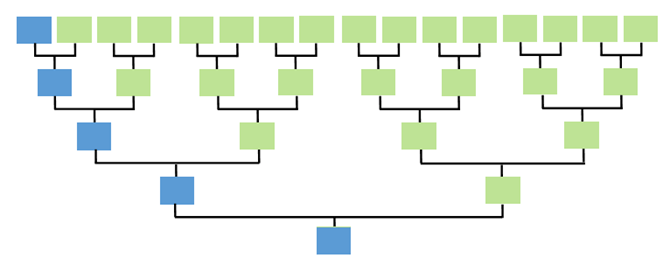
Since most females don’t have Y-chromosomes, they can’t take Y-DNA tests (though their brother, father, paternal uncle, or paternal grandfather could).
Y-chromosome testing uncovers a person’s Y-chromosome haplogroup, the ancient group of people from whom one’s patrilineage descends. Because only one’s male-line direct ancestors are traced by Y-DNA testing, no females (nor their male ancestors) from whom a male descends are encapsulated in the results. Ancestry does not offer Y-chromosome testing.
mtDNA tests
Mitochondrial DNA tests trace people’s matrilineal (mother-line) ancestry through their mitochondria, which are passed from mothers to their children.
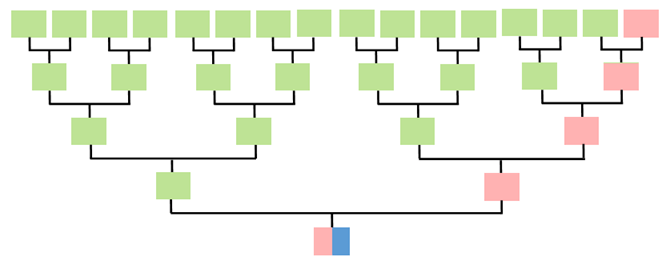
Since everyone has mitochondria, people of all genders can take mtDNA tests.
Mitochondrial DNA testing uncovers a one’s mtDNA haplogroup, the ancient group of people from whom one’s matrilineage descends. Because mitochondria are passed on only by women, no men (nor their ancestors) from whom one descends are encapsulated in the results. Ancestry does not offer mtDNA testing.
Autosomal DNA tests
Autosomal DNA tests trace a person’s autosomal chromosomes, which contain the segments of DNA the person shares with everyone to whom they’re related (maternally and paternally, both directly and indirectly).
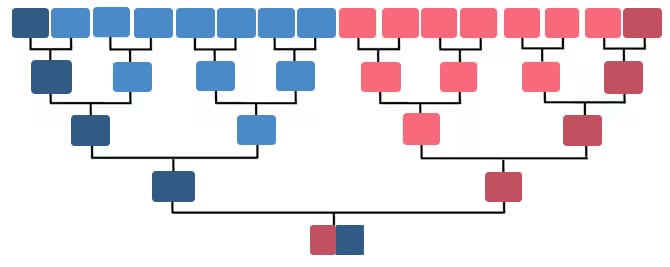
Because everyone has autosomal chromosomes, people of all genders can take autosomal DNA tests, and the test is equally effective for people of any gender. With an autosomal test, your results won't include information about haplogroups.
AncestryDNA provides a list of DNA matches (people who are genetically related to the test taker) and an estimate of one’s ancestral origins. We survey one’s DNA at hundreds of thousands of locations and determine how much DNA is shared with the people from our reference panel in each region.
Autosomal DNA tests can determine ancestral origins and close genetic relationships with a high level of accuracy.